

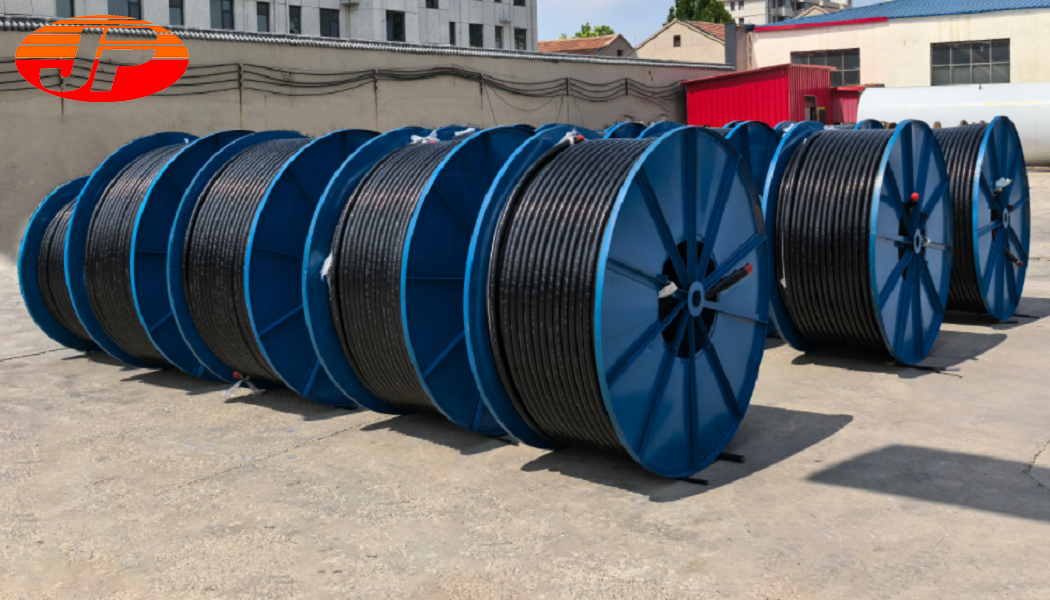
Understanding Medium Voltage Cables:
Modern electrical networks rely on reliable power distribution for industries, utilities and infrastructure projects alike. Medium Voltage Cables play an essential part in providing safe energy transmission between substations and end users; these cables have been specifically engineered to withstand challenging applications with durability and efficiency. From industrial plants to commercial complexes, these medium voltage wires and cables have been constructed with durability in mind, fulfilling every application with reliability and performance.
Medium Voltage Cables are specifically designed to transmit electrical energy between 1kV and 33kV, serving as the link between low-voltage systems and high-voltage networks, thus making them essential components of medium-scale distribution networks.
Key Features of MV Cable:
- Operates within the voltage range of 1kV to 33kV
- Manufactured with advanced insulation such as XLPE or PVC
- Features high mechanical strength and resistance to heat and environmental stresses.
- Can be installed underground, overhead, or on cable trays.
Medium voltage power cable solutions are trusted across multiple sectors due to their versatility.
Medium Voltage Cable Specifications:
Engineers must carefully consider various criteria when choosing a medium voltage cable. The medium voltage cable specifications usually include:
- Conductor material: Copper or aluminium
- Insulation type: XLPE or PVC
- Voltage rating: 1 kV up to 33 kV
- Armour type: Armoured or unarmoured depending on the environment
- Standards: IEC or BS
Henan Jiapu Cables and other dependable medium voltage cable suppliers adhere to stringent standards in order to guarantee optimal performance and safety for their cables.
Applications of Medium Voltage Cables (MVC)
Medium Voltage cables are frequently employed for power transmission in various sectors and industries, such as:
- Industrial facilities: Offering power to large machinery and production units.
- Commercial complexes: Guaranteeing uninterrupted electricity supply to malls, hospitals and IT hubs.
- Utilities and distribution networks: Linking substations to local grids
- Renewable energy projects: Connecting wind and solar farms to the grid
- Infrastructure projects: Airports, metros, and railways require mv cable for safe energy flow
Medium voltage cables have long been considered an indispensable solution in electrification projects both urban and rural.
Benefits of Using Medium Voltage Power Cable:
Selecting the proper medium voltage power cable offers many benefits:
- High efficiency: Transmits electricity with minimal losses.
- Durability: Engineered to withstand mechanical stress and harsh environments.
- Flexibility: Can be installed in overhead, underground, or tray-based systems.
- Long service life: Reliable operation for decades with proper installation.
- Safety Compliance: Designed to comply with global electrical safety standards.
Conclusion:
Medium Voltage Cables MVCs form the backbone of modern power distribution, offering reliable transmission across industries, utilities and infrastructure. From industrial uses to commercial projects requiring medium voltage power wires – MVCs deliver reliability, efficiency, and long-term performance for any application or project.
Post time: Dec-31-2025